What Is Marketing Information Management? A Complete Guide for Modern Teams
Marketing Information Management (MIM) is the process of collecting, organizing, and managing marketing data from multiple sources to improve decision-making, campaign performance, and team alignment.

The most effective marketing strategies begin with a single, simple question: How well do you know your customers? Imagine having all your marketing data, such as campaign performance to customer preferences, organised in one place and ready to drive your next big idea. That’s where marketing information management comes in. It is not only about the storage of numbers or spreadsheets, it is the key to developing smarter strategies and being ahead of the competition.
Through this article, you will find out what marketing information management is, why it is important and how your team can employ this to turn insight into success.
What is marketing information management?
Marketing information management is the systematic process of gathering, storing and interpreting marketing information such as customer response, sales history or campaign outcomes and utilizing it into making smarter decisions. Imagine having the insights, research and performance numbers of your team under a single easy-to-access location. That means fewer guesses and more strategic decisions on a daily basis.
When using marketing information management, you maintain facts and statistics in a clean manner, which helps your business in identifying new opportunities, quickly resolving problems, and strategising winning campaigns. It is your backstage access to knowing the market and getting your company a competitive advantage.
What is a marketing information system?
A marketing information system is a control centre of your team for marketing data. It is a series of tools and processes that collect, categorize, examine and share marketing data throughout a business. Imagine it as the virtual brain of all marketing decisions. This system collects information from various sources, such as customer surveys, social media, sales records, and market research. Then it organizes everything in one place for easy access.
Using a marketing information system, teams can monitor campaign outcomes, customer actions, and even competitor actions and make smart decisions in real time. It is also useful in identifying trends, discovering issues quicker, and making everyone stay on track. In the current competitive market a proven marketing information system equips your business with the strength to transform numbers into action on a daily basis.
According to a SurveyMonkey survey of 403 marketers, nearly 75% use AI regularly for automation like lead-gen chatbots (55%), social sentiment analysis (54%), and personalized recommendations (47%).
Why is Marketing Information Management Important?
Marketing information management is crucial because it connects many different data points into a single view of your customers' interactions and campaigns. Having timely information at your command allows you to see trends, modify your efforts more quickly, and create campaigns that get you noticed.
Types of Marketing Information
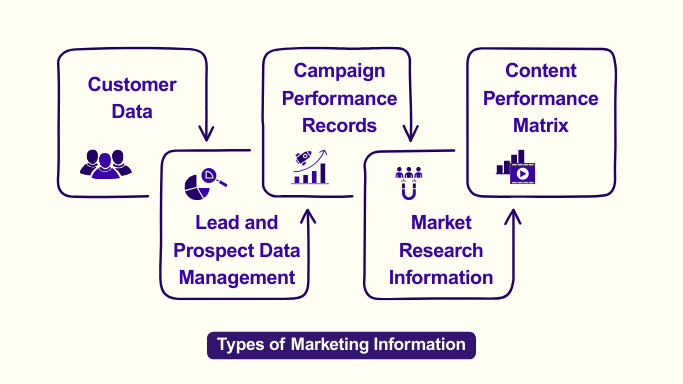
Marketing information management involves an extensive variety of data that energizes today’s marketing teams and agencies alike. Each variety of data helps you evaluate or track your performance of your various strategies and optimize them for maximum results especially when using an agile platform such as Stackby.
- Customer Data: This includes information about demographics, purchasing patterns, feedback and behavioral patterns. With Stackby, you can organize and link customer profiles, which makes it easy to personalize marketing and segment your audience.
- Campaign Performance Records: Monitor metrics such as open rates, click rates, conversions and ROI. Stackby enables you to extract real-time results from marketing tools such as Facebook advertising, Google analytics and others, all in one dashboard.
- Market Research Information: From competitor analysis to customer surveys, Stackby’s API and changeable templating systems bring in the research results enabling you to detect trends and market movement.
- Content Performance Matrix: Monitor products like likes, shares, viewings and time spent on all content assets. Stackby’s templates enable you to visualize the results of your campaign, hone in on the successful things and bring together the stats from all content for all channels.
- Lead and Prospect Data Management: Map out and score leads, map out their progress and manage sources. Stackby enables you to automate updates, connect up the CRM tools and lead nurturing more rapidly, thereby strengthening your sales and marketing flow matrix.
Who Can Get Benefit from a Marketing Information Management Strategy
Here are some ways various teams and companies can benefit from marketing information management systems, especially by using Stackby.
Enterprise marketing teams: It is simpler to manage a variety of campaigns and stakeholders when you have one repository of all your marketing data. Stackby allows big teams to work jointly, track activities, and review performance together - keeping all on the same page.
B2B companies: In the case of businesses that sell to other businesses, it is important to know about target audiences and monitor the engagement. CRM tools are linked, client relationships are mapped, and sales data are centralised, which makes it easy to nurture the leads and quantify the impact by B2B teams.
Digital-first companies: When your company relies on online platforms, then you are dealing with huge amounts of data in the form of advertisements, content and social networks. Integrations by Stackby enable digital teams to align tools, such as Google Analytics, Mailchimp, and Facebook Ads and then target and measure every action in real-time.
High-growth businesses: Rapidly growing teams should be able to move fast and grow without difficulties. Stackby allows you to automate updates, view KPIs, and create templates as your strategy gets better- providing your business with the ability to be flexible, experiment, and succeed with every campaign.
Marketing agencies: Agencies have multiple clients, campaigns and deadlines. The database templates by Stackby render the regulation of the client work, the tasks of the team, and deliver the content extremely efficiently. And, you can also connect clients to campaigns, monitor the analytics, and easily report on a client-by-client basis.
5 Steps to Develop a Marketing Information Management Strategy
Developing an effective marketing information management strategy is not a checklist- it is a process. Stackby facilitates this process and makes it easy and strong for all teams, regardless of size. The following are the steps you can follow to get started:
Step 1: Evaluate your existing data position.
Begin with a clear vision of all sources of data. Ask where your marketing data resides, i.e., spreadsheets, CRM, campaign platforms, etc., and calculate who is accessing what. Stackby allows you to drag all these sources together, and it becomes easy to identify any gaps and quality problems.
Step 2: Set up your business goals.
Ask what you want to achieve. Is it increased campaign performance, better customer understanding or better reporting? Identify important measures and reporting requirements. The templates in Stackby are customizable to keep up with the fast adaptability to business goals as they change.
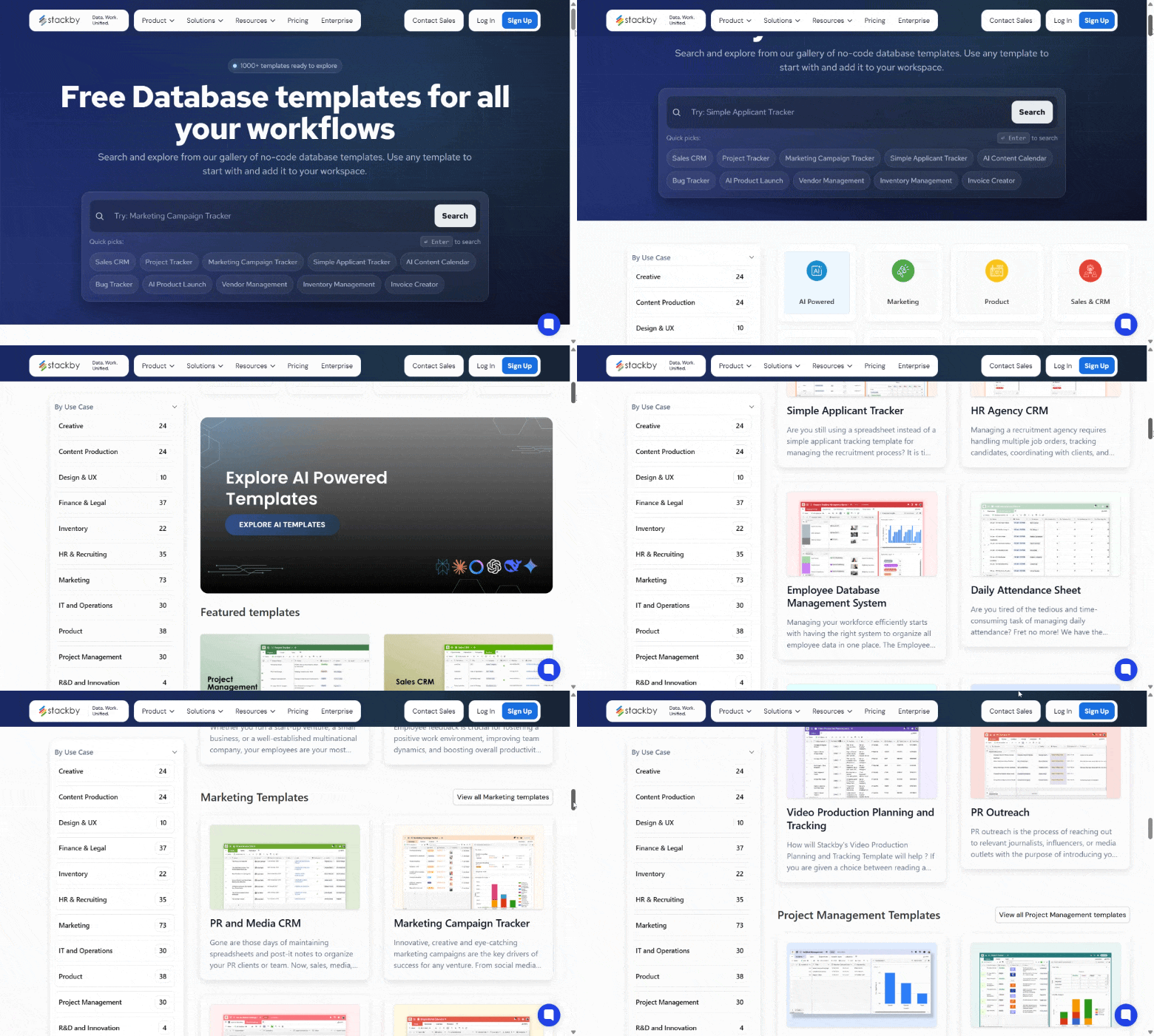
Step 3: Select the appropriate platform.
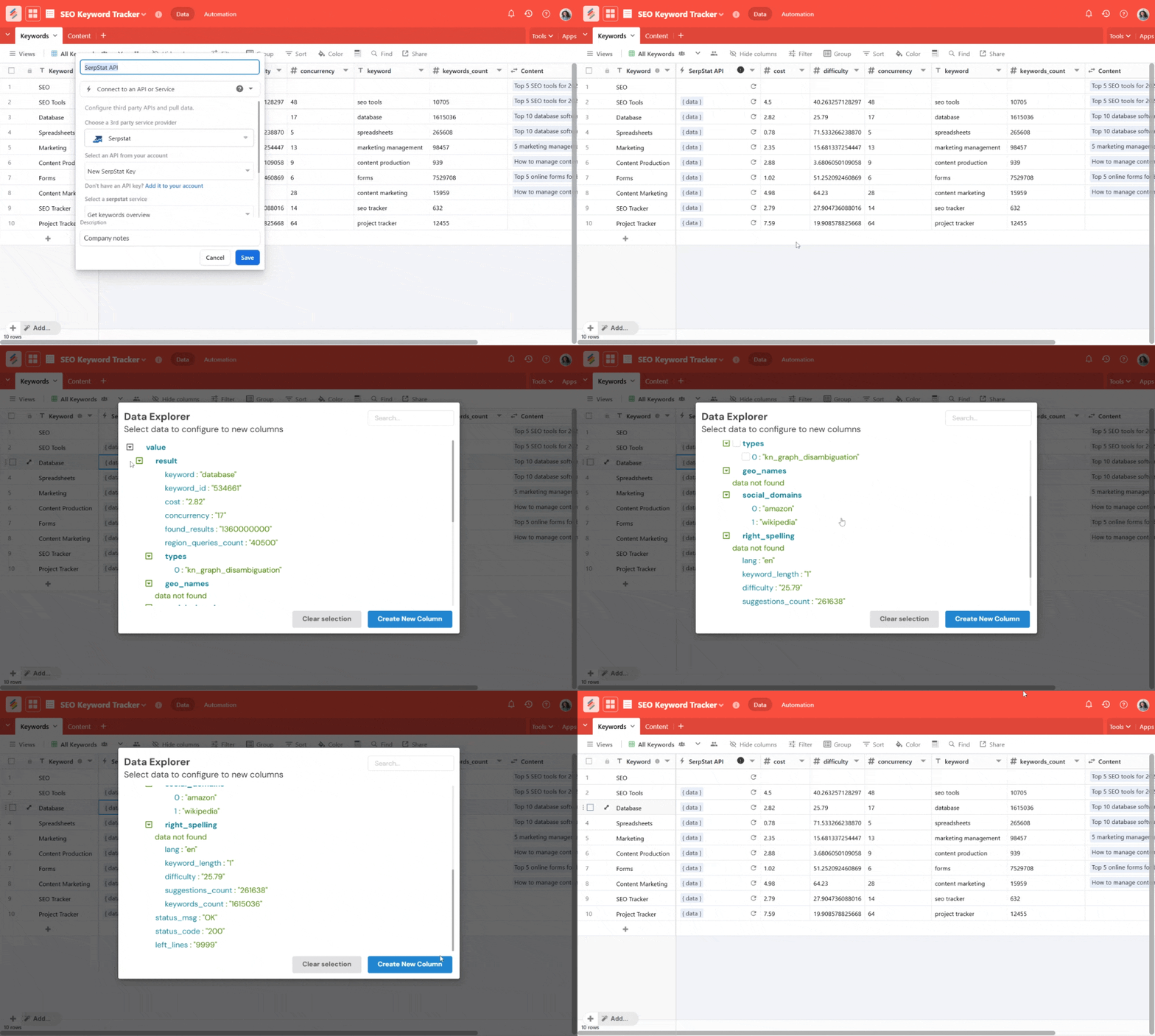
Choose a platform that suits you and allows automation, tracking and analysis within a short time. Using Stackby, any data can be updated automatically in real-time with connections to 3rd party applications such as Google Analytics, Facebook Ads, and Mailchimp.
Step 4: Introduce effective data governance.
Have guidelines for the way your team gathers, archives and utilises data. Ensure data is safe and is not accessible to unauthorised parties. Stackby authorisation policies and authentication controls can be used to ensure everything is orderly and in compliance.
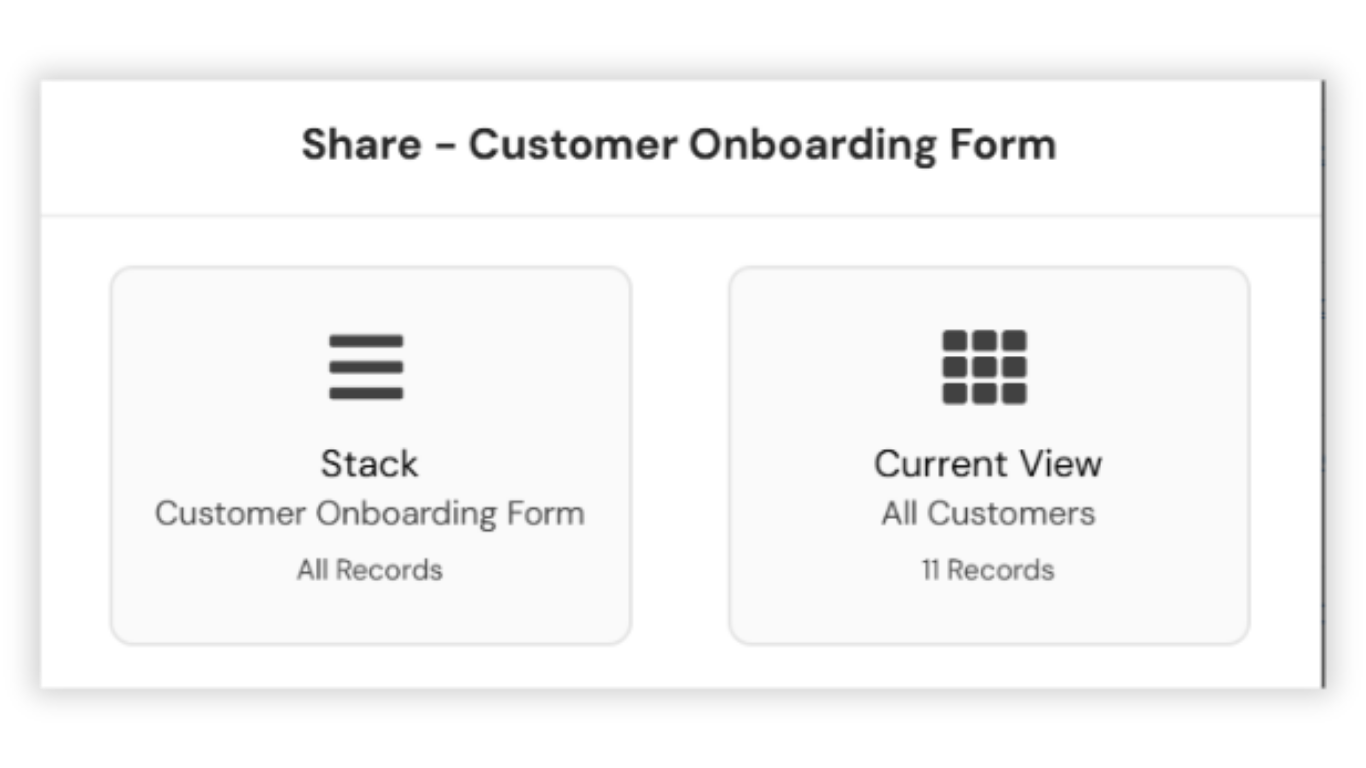
Step 5: Continuous monitoring and optimisation.
Test frequently to find out what is working. Spot trends, identify problems early and experiment with new practices using Stackby dashboards and automatic reports. Automation of updates to ensure you work with the new data at all times.
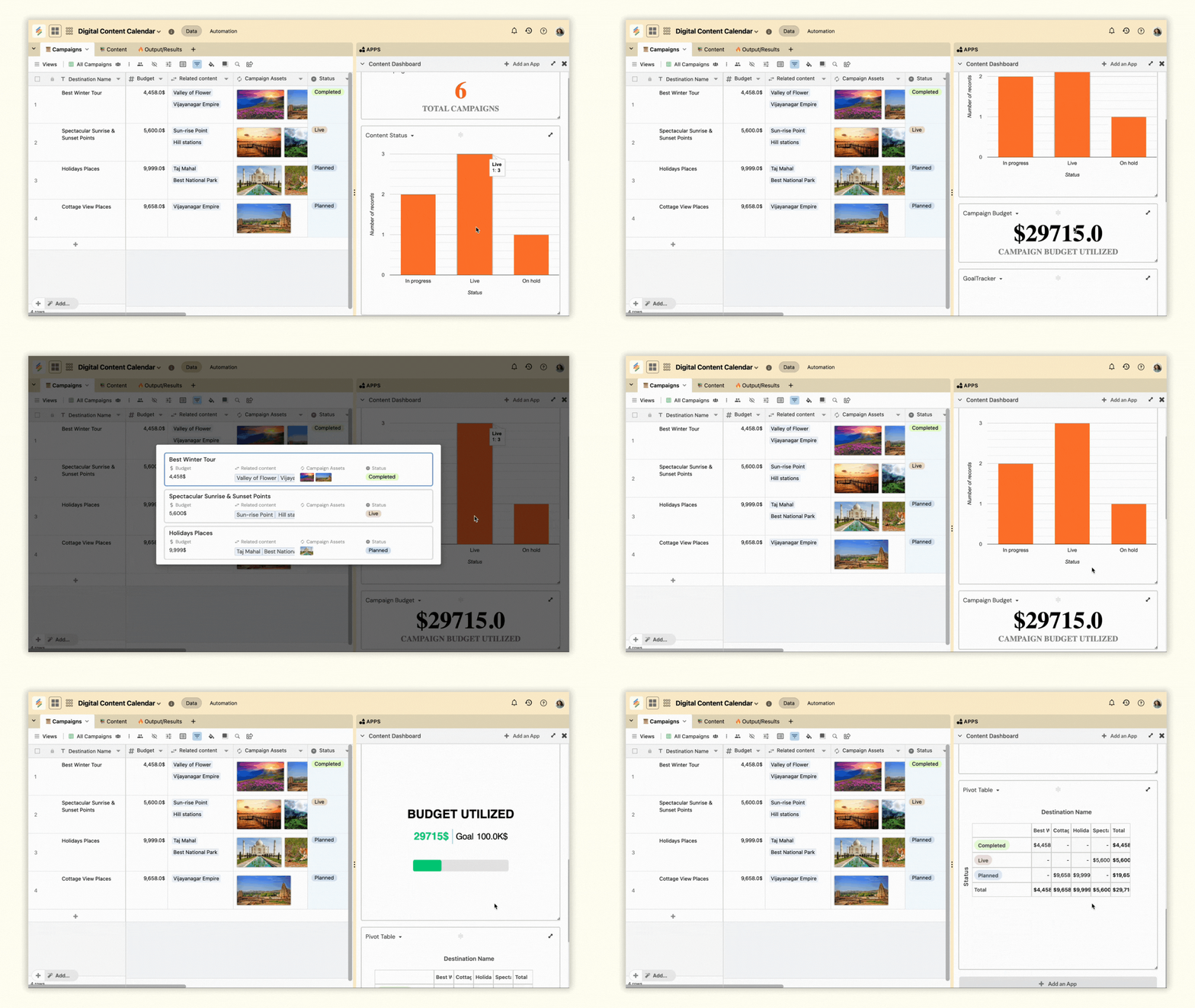
These steps, combined with Stackby, make marketing information management your growth secret and not your headache.
Common Marketing Information Management Challenges
Several issues characterise all the teams that attempt marketing information management. The good news? Stackby has simple methods of addressing them directly.
1. Data silos and integration issues
Whenever data becomes stuck in various locations, such as spreadsheets, email threads, and apps, teams lose time and commit errors.
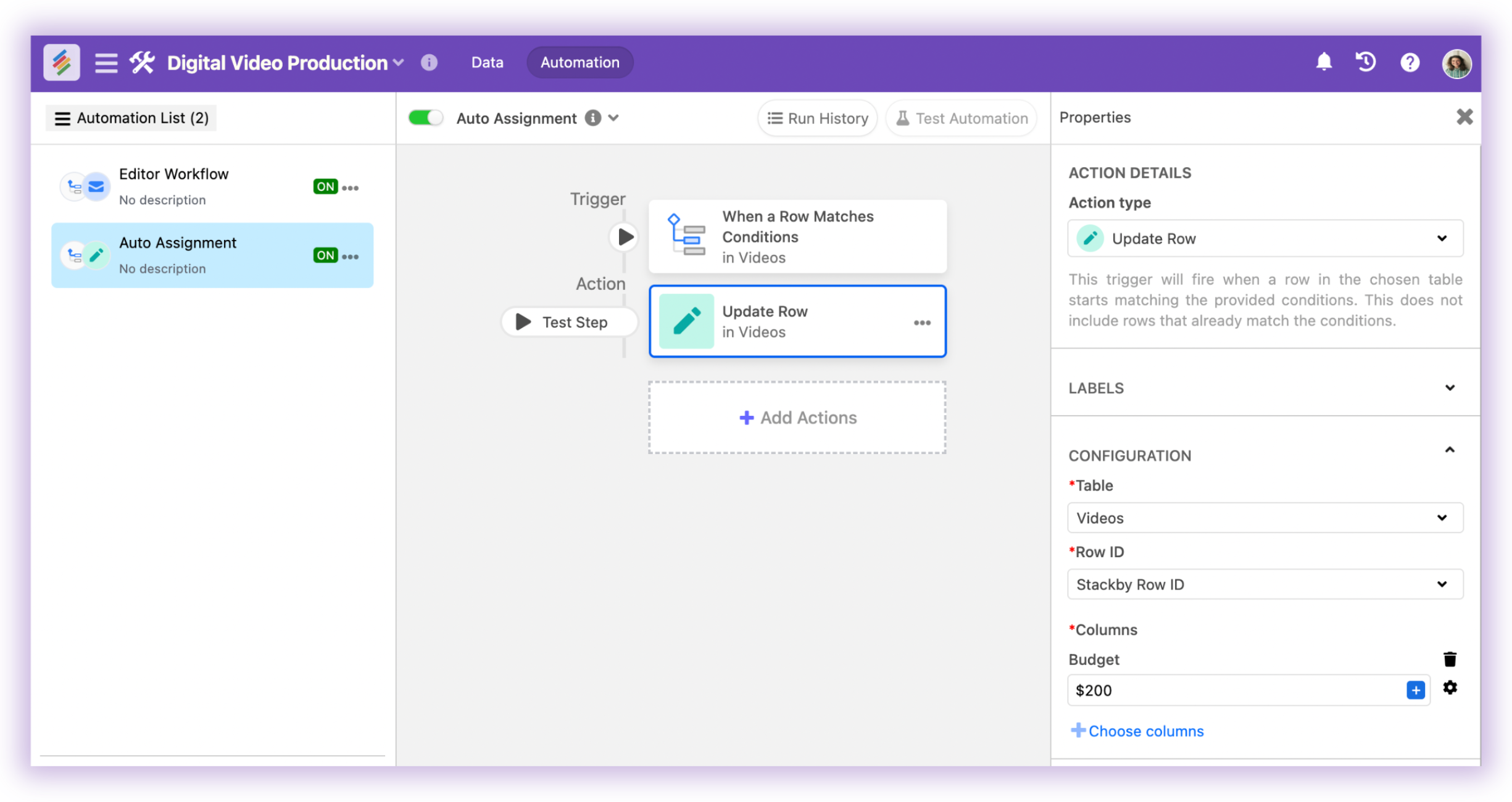
Solution: Stackby will centralise all your marketing data in a single space. Combine major tools with native API connectors, develop coherent workspaces, and undertake powerful testing prior to implementation throughout your organisation. Automate the reporting, lead scoring, and even triggers and scheduled updates of campaign optimisation routines.
2. Data quality and consistency
The wrong or disorganised data may turn victory to loss.
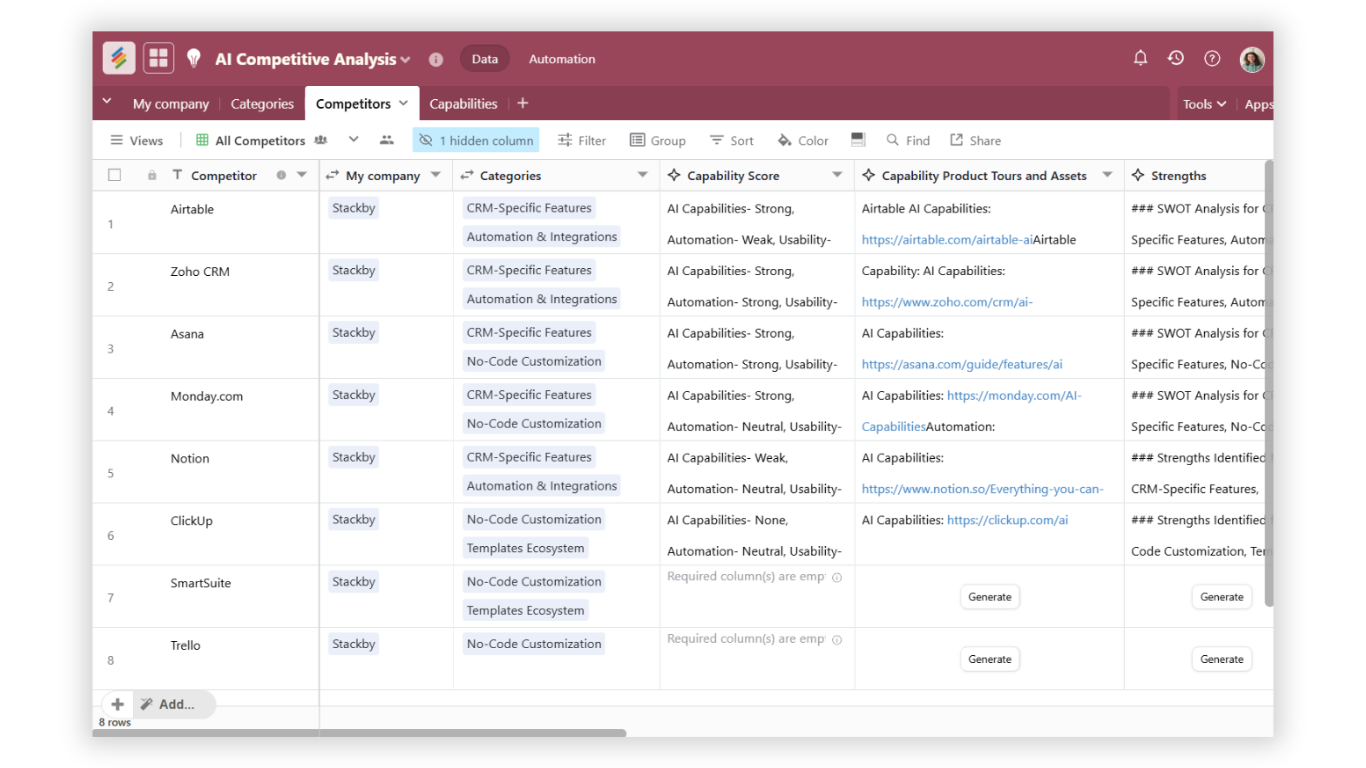
Solution: Take advantage of in-built AI data validation rules, standardized input processes and frequent cleanup processes at Stackby. Ensure that you do not have different formats because your reports can be relied upon on each and every occasion.
3. Resistance to adoption
New systems can be scary. Some simply continue with the old habits.
Solution: Stackby templates are lean and mean. Give practical training and demonstrate to colleagues the efficiency with which their work can be organised - and how successful work would become when the information moves freely.
4. Scalability limitations
Businesses that are growing require systems that grow with them.
Solution: Stackby is designed to support teams with either a small beginning or rapid growth. A proactive planning, choice of platform to grow with, and customizable templates can bring you to more clients, campaigns, or data at any level.
5. Security Concerns
The security of customer information is a must.
Solution: Stackby provides you with granular access control, assists in compliance maintenance and protects sensitive information. Assign controls and check the privacy policies periodically to maintain confidentiality as the policies evolve.
An effective case of good marketing information management is the teams that efficiently interconnect their data, automate their daily processes with AI, and make sure they make confident decisions based on the insights. As the heavy lifting is done by Stackby, the agency provides clients with up-to-date reports within minutes and not days.
Improve Marketing Information Management with Stackby
Want to take your marketing information management to the next level? Stackby provides you with the means to gather, manage, and operate your information- all under the same roof. You can automate business processes, connect with your preferred marketing tools, and get the insights you need instantly.
Plan all campaigns, track the performance in real-time, and keep your team performance-oriented. Stackby enables you to create custom dashboards easily, report in real time, and have your marketing information management one step ahead of you.
Begin using Stackby now, learn about free templates or schedule a demo to understand how it would work in your organization. Focus on your data and transform it into decisions by signing up with Stackby today.
![Best 14 HR Database Software for Recruitment Agency [Free+Paid] [2026]](/blog/content/images/size/w960/2024/04/stackby--hr-database-software-blog-post-5.3.jpg)